
Your Garage Door Shouldn't Sound Like a Horror Movie
You press the button, and instead of a smooth, quiet operation, your garage door groans, rattles, or screeches its way up the track. If you're a homeowner in Schenectady, you've probably gotten so used to the noise that you barely notice it anymore. But here's the thing — a noisy garage door is almost always trying to tell you something, and ignoring it can lead to bigger, more expensive problems down the road.
Let's break down the most common garage door noises, what they mean, and when it's time to stop living with the racket and call in a professional.
Grinding Sounds: Metal on Metal Is Never Good
A grinding noise when your garage door opens or closes is one of the most common complaints we hear from homeowners. This harsh, metallic sound usually points to one of a few issues:
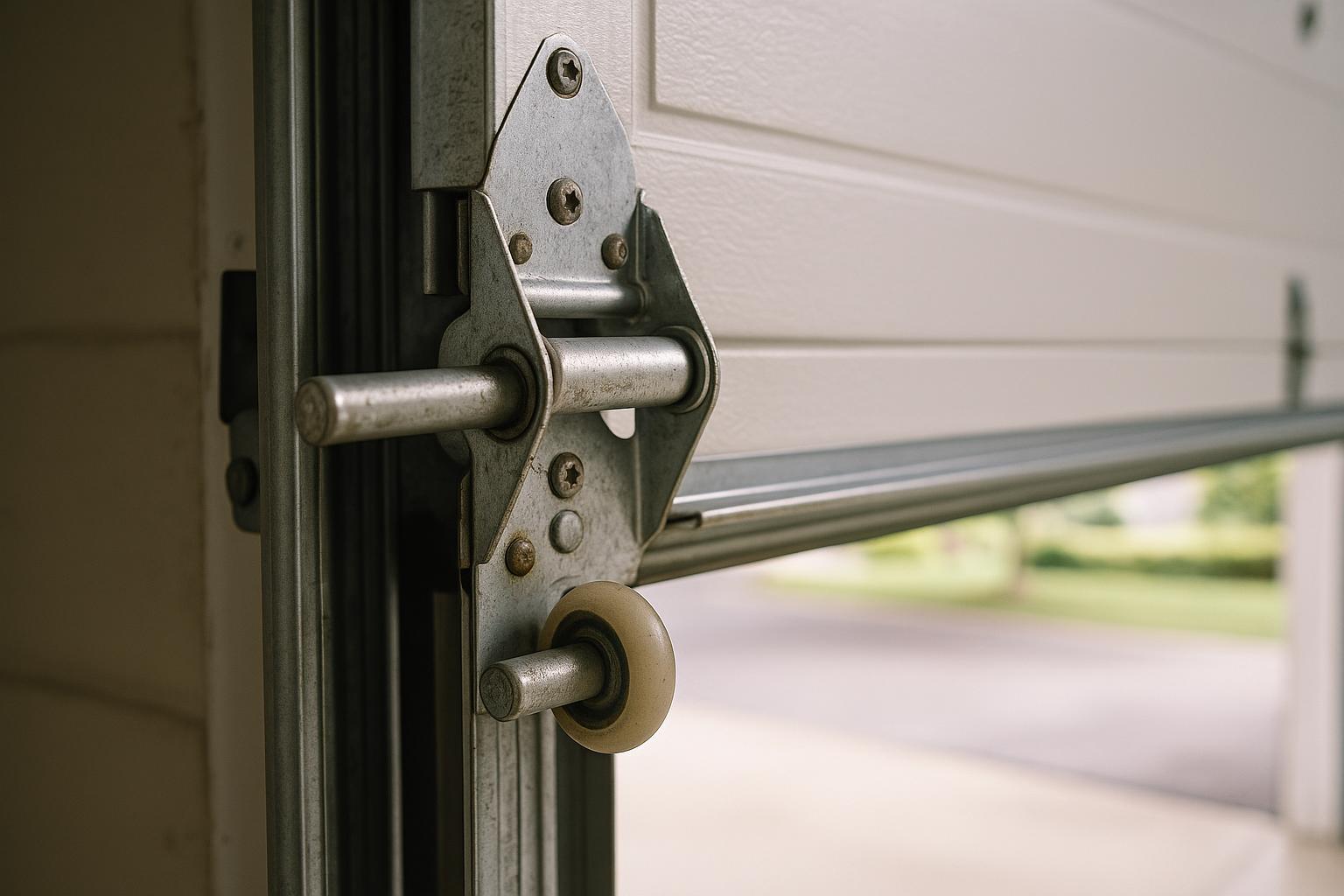
- Worn or dry rollers: Garage door rollers can wear down over time, especially if they're the standard steel variety. When the bearings inside the rollers deteriorate, they grind against the track instead of rolling smoothly.
- Lack of lubrication: Moving metal parts need regular lubrication to function properly. Without it, friction builds up and creates that unmistakable grinding sound.
- Opener gear issues: If the grinding seems to come from the motor unit itself, the internal gears in your garage door opener may be stripping or wearing out. This is especially common in older chain-drive openers.
Grinding that goes unchecked can accelerate wear on your tracks, rollers, and opener — turning a simple maintenance issue into a costly repair.
Squealing or Screeching: A Cry for Lubrication
High-pitched squealing or screeching is your garage door's way of begging for attention. In most cases, this noise is caused by:
- Dry hinges and pivot points: Every hinge on your garage door panels flexes each time the door moves. Without lubrication, these joints produce a sharp squeal.
- Torsion spring friction: Your torsion springs coil and uncoil with every cycle. When they're dry, the coils rub against each other and create a loud, unpleasant noise.
- Worn weatherstripping: Sometimes the squeal isn't from metal at all — it's the rubber weatherstripping along the sides or bottom of the door dragging against the frame or floor.
A proper lubrication service using garage door-specific lubricant (not WD-40, which is a degreaser) can often eliminate squealing entirely. It's one of the simplest and most affordable maintenance steps you can take.
Rattling and Vibrating: Something's Loose
If your garage door sounds like it's shaking apart every time it moves, you're likely dealing with loose hardware. Over thousands of open-and-close cycles, nuts, bolts, and brackets gradually loosen. Common culprits include:
- Loose track brackets: The brackets that secure the tracks to the wall and ceiling can vibrate loose, causing the entire track to rattle.
- Worn chain or belt: A loose chain on a chain-drive opener will slap against the rail, creating a rattling or vibrating noise. Belt-drive openers are quieter by design, but even belts can loosen over time.
- Loose roller stems: The stems that hold the rollers in the door's hinge brackets can work themselves loose, causing the rollers to rattle inside the track.
Tightening hardware is a straightforward fix, but it's important to know which bolts are safe to adjust. The brackets connected to the bottom cable drums and spring system are under extreme tension and should only be handled by a trained technician.
Banging or Popping: Don't Ignore This One
A loud bang or pop when your garage door operates is more concerning than a simple rattle. This type of noise can indicate:
- A spring under stress: Torsion springs that are nearing the end of their lifespan can pop or bang as they struggle under load. If you hear a single loud bang and your door won't open, a spring has likely already broken.
- Panel or track misalignment: When sections of the door or the track itself are slightly out of alignment, the door can pop or jerk as it passes through the misaligned area.
- Opener force settings: If the opener's force settings are too high, the door can slam into the floor with a bang rather than settling gently into place.
Banging noises warrant prompt attention. A failing spring can snap without warning, and a misaligned track can cause the door to come off its rails entirely.
When Noise Means It's Time for an Upgrade
Sometimes the noise isn't a sign of a single failing part — it's a sign that your garage door system is simply old and worn out. If your door is 15 to 20 years old and making multiple types of noise despite regular maintenance, it may be more cost-effective to invest in a new garage door installation rather than continuing to patch individual components.
Modern garage doors are engineered to operate much more quietly, especially when paired with a belt-drive opener. Many Schenectady homeowners who upgrade are surprised at how much quieter — and more energy-efficient — a new door can be.
What You Can Do Right Now
If your garage door is making noise, here are a few safe steps you can take before calling a professional:
- Visually inspect the hardware: Look for obviously loose bolts, brackets, or roller stems. Tighten anything that's accessible and not connected to the spring system.
- Apply garage door lubricant: Use a silicone-based or lithium-based garage door lubricant on the rollers, hinges, torsion springs, and track. Avoid using grease or WD-40.
- Listen carefully: Try to identify where the noise is coming from — the tracks, the opener, or the door panels themselves. This information helps your technician diagnose the problem faster.
When to Call a Professional
If the noise persists after basic lubrication and tightening, or if you hear banging, popping, or grinding from the opener or spring system, it's time to bring in a pro. These components are under significant tension and can cause serious injury if handled incorrectly.
At Schenectady Garage Door Pro, we diagnose noisy garage doors every week for homeowners across Schenectady, Niskayuna, Rotterdam, and the surrounding area. Whether it's a simple lubrication service, a roller replacement, or a full opener upgrade, we'll figure out what's causing the noise and fix it right the first time.
Don't wait for a minor annoyance to become a major repair. If your garage door is making sounds it shouldn't, give us a call and let's get it running quietly again.